Process Overview
Zinc Plating
Zinc plating is the most widely used method of corrosion protection for ferrous metals. It acts as a sacrificial coating — the zinc corrodes preferentially, protecting the steel substrate beneath. Available in blue (clear), yellow, and black passivations to suit different aesthetics and corrosion requirements.
Coating Thickness
Standard zinc
5 – 12 µm
Heavy-duty zinc
12 – 25 µm
Typical Turnaround
2–4 business days (standard)
Available Types
Types of Zinc Plating
Blue Zinc
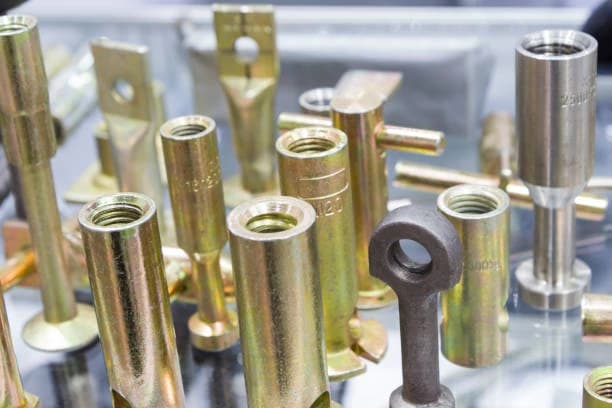
Bright, silvery-blue appearance with a thin trivalent chromate passivation — also referred to as clear or blue-white zinc. Provides moderate corrosion resistance suitable for interior hardware, sheet metal components, and general-purpose fasteners.
Yellow Zinc
Iridescent yellow-gold appearance with thicker hexavalent or trivalent chromate. Superior corrosion protection (72–96 hours salt spray). Common for automotive and industrial fasteners.
Black Zinc
Matte black appearance achieved with black passivation over zinc. Combines aesthetic appeal with good corrosion resistance. Used in automotive interior parts and consumer electronics.
Why It Works
Key Advantages
- Sacrificial cathodic protection of steel
- Excellent cost-to-performance ratio
- Wide range of passivation colours
- Good adhesion for paints and powder coatings
- RoHS-compliant trivalent options available
- Suitable for complex shapes and threaded fasteners
Where It's Used
Applications
- →Automotive fasteners and brackets
- →Construction hardware
- →Electrical enclosures
- →Agricultural equipment parts
- →General industrial components
- →Sheet metal stampings
How We Do It
Our Process
A proven, step-by-step approach — from surface preparation to final inspection.
Alkaline soak cleaning & degreasing
Acid pickling to remove scale & rust
Zinc electrodeposition (alkaline or acid bath)
Chromate passivation (clear, yellow, or black)
Sealer / topcoat (optional)
Drying, inspection & dispatch
Step 1
Alkaline soak cleaning & degreasing
Step 2
Acid pickling to remove scale & rust
Step 3
Zinc electrodeposition (alkaline or acid bath)
Step 4
Chromate passivation (clear, yellow, or black)
Step 5
Sealer / topcoat (optional)
Step 6
Drying, inspection & dispatch
Alkaline non-cyanide baths are used for general fabrications; acid zinc baths are preferred for cast iron and high-carbon steel. Passivation chemistry (trivalent vs hexavalent) is selected based on RoHS compliance and required salt-spray hours.