Process Overview
Copper Plating
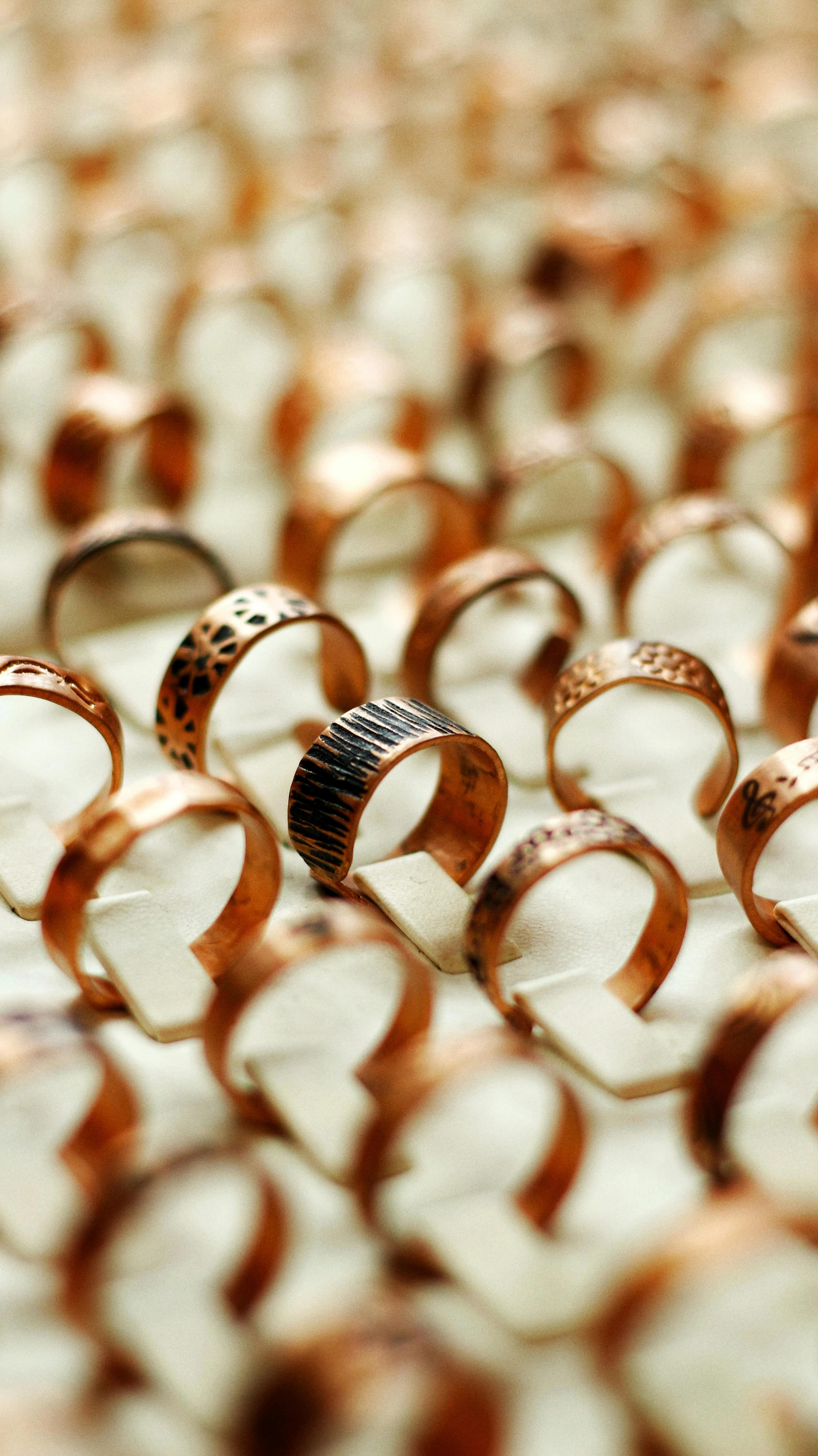
Copper plating serves dual purposes — as a functional undercoat that improves adhesion and smoothness for subsequent platings, and as a standalone coating where electrical conductivity, heat conduction, or a warm decorative appearance is required. We offer alkaline copper for adhesion on difficult substrates, barrel copper for high-volume small parts, and bath (rack) copper for precision and decorative applications.
Coating Thickness
Strike / adhesion layer
3 – 10 µm
Functional / decorative
10 – 75 µm
Typical Turnaround
3–5 business days (standard)
Available Types
Types of Copper Plating
Alkaline Copper
Deposited from a cyanide or non-cyanide alkaline bath, providing outstanding adhesion on zinc die-castings, steel, and other difficult substrates. Used as a strike layer before thicker copper or subsequent platings to ensure a reliable bond.
Barrel Copper
Copper plating carried out in a rotating barrel — the preferred method for small, high-volume parts such as fasteners, terminals, and stampings. Delivers consistent coverage across complex geometries at high throughput.
Bath Copper
Rack-plated copper deposited from an acid sulphate bath for excellent levelling and brightness. Used for larger parts, precision components, and applications requiring tight thickness control or a decorative warm copper finish.
Why It Works
Key Advantages
- Excellent electrical and thermal conductivity
- Outstanding undercoat adhesion properties
- Good levelling — fills surface defects
- Warm decorative appearance
- Enables subsequent plating on difficult substrates
- Ductile and malleable deposit
Where It's Used
Applications
- →PCB and electronics manufacturing
- →Undercoat for nickel and chrome plating
- →Electrical busbars and connectors
- →Decorative copper-finished products
- →Zinc die-casting plating preparation
- →EMI shielding applications
How We Do It
Our Process
A proven, step-by-step approach — from surface preparation to final inspection.
Substrate cleaning & degreasing
Acid or alkaline activation
Alkaline cyanide copper strike (for adhesion)
Acid copper sulphate electrodeposition
Intermediate polishing (if required)
Follow-on plating or passivation
Step 1
Substrate cleaning & degreasing
Step 2
Acid or alkaline activation
Step 3
Alkaline cyanide copper strike (for adhesion)
Step 4
Acid copper sulphate electrodeposition
Step 5
Intermediate polishing (if required)
Step 6
Follow-on plating or passivation
The alkaline copper strike is essential for zinc die-castings and steel to prevent an immersion deposit and ensure adhesion before acid copper. Barrel plating is used for small, high-volume parts — the tumbling action gives uniform coverage but limits thickness control compared to rack (bath) plating. Bath copper on a rack is preferred for large parts, tight tolerances, or decorative work. Exact sequence depends on substrate, part size, and specification.